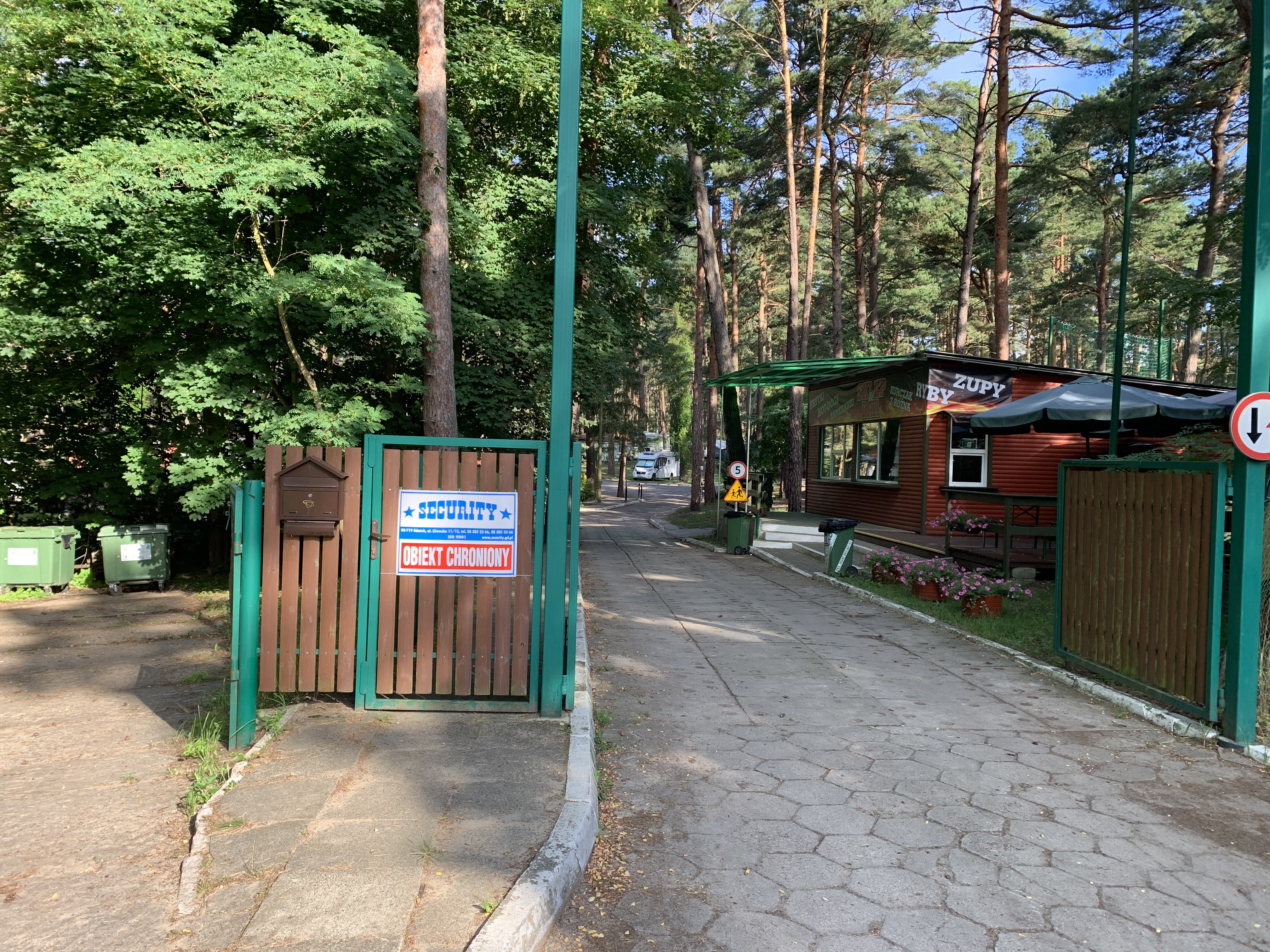
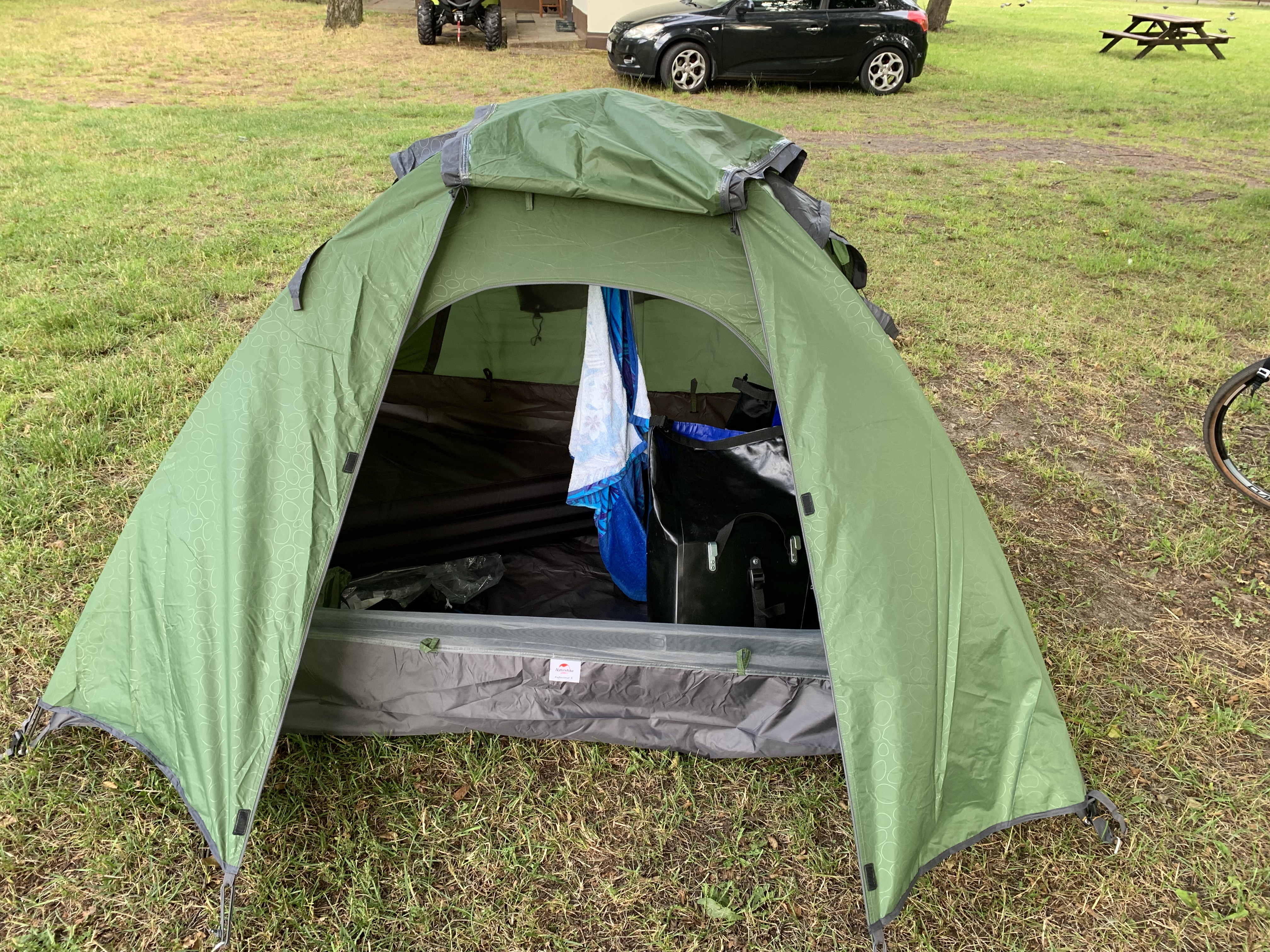
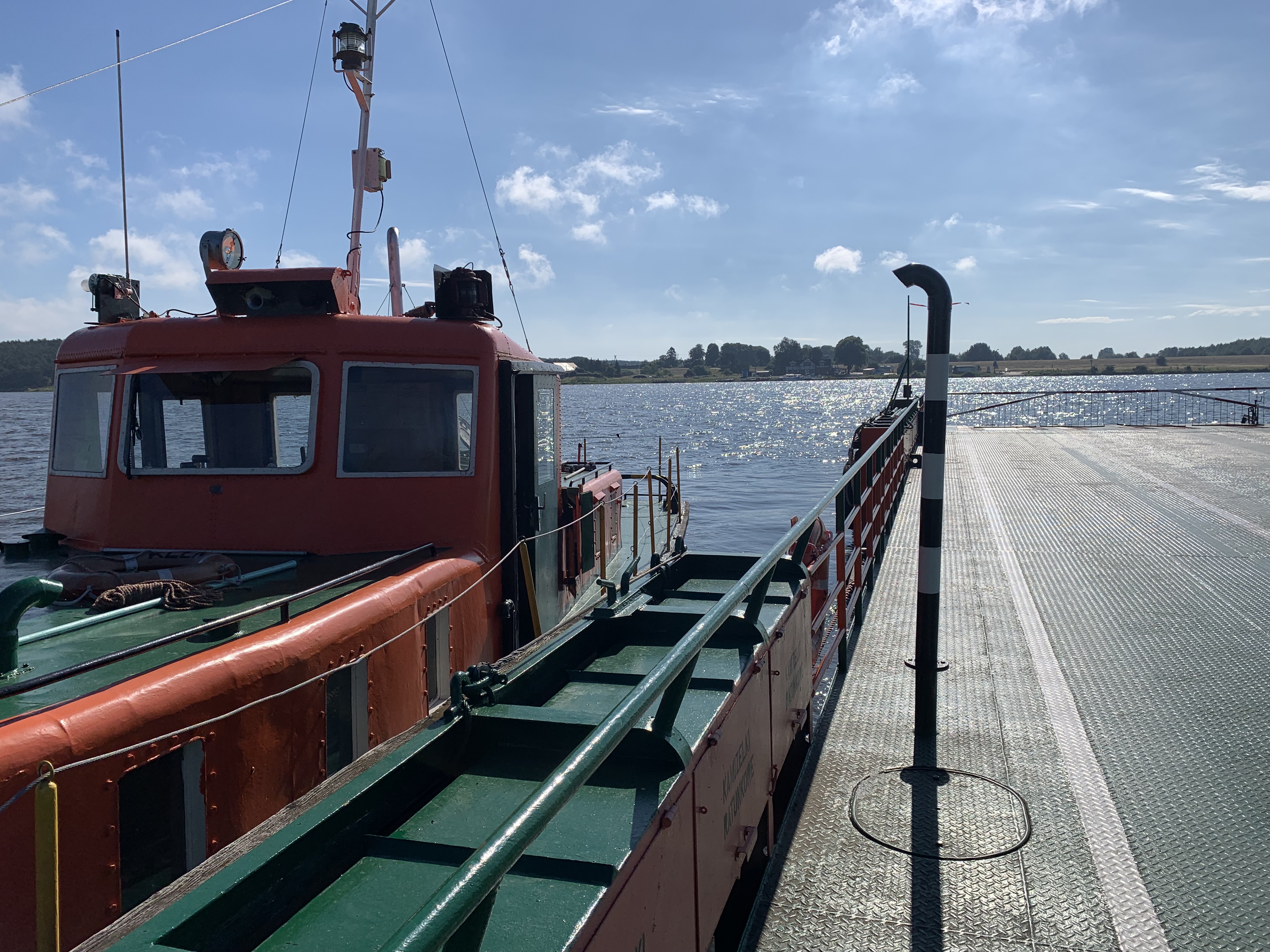
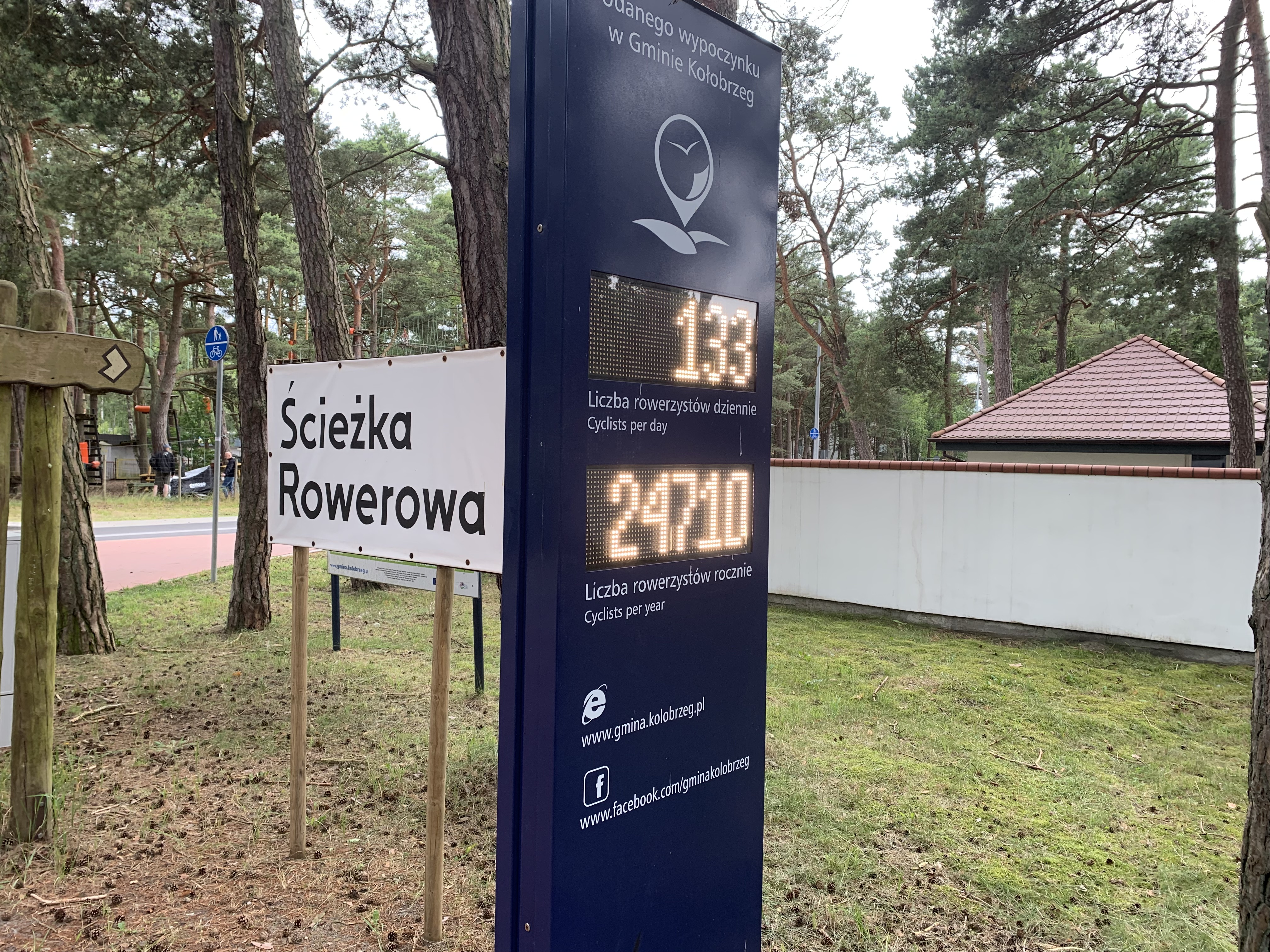
In 2023, I took a 500km+ cycling journey along the Baltic Sea on my gravel bike. Started in Świnoujście after leaving my car at a parking lot and ended in Elbląg a few days later. It was the longest such trip I ever took. Didn't know it would turn out so well. But I managed to travel over 100km daily and sleep inside my tent every night at the farthest campsite reached. Had to endure riding through heavy rain, sandy, windy, muddy, and crowded beaches and villages, and getting lost on multiple occasions. Slept (or at least tried) at the train station in the final city after missing the last ride back to Świnoujście. I made it back barely conscious but happy with the achievement.
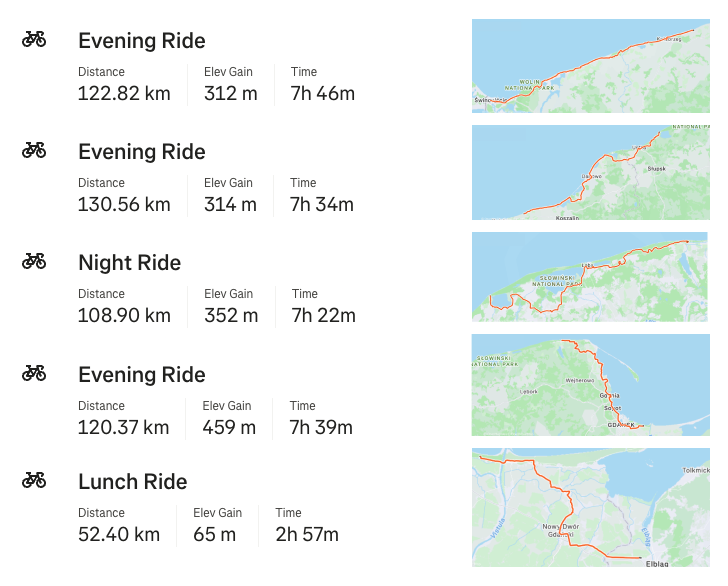
I learned a lot about endurance cycling from that experience and will share some of it now.
#1 Food was never enough. I packed a lot of fruit mixes and water every day in order to go as far as possible and not “bonk”. But it was never enough. The amount of calories burned and water lost through sweating (it was peak summer) forced me to stop at shops at least once every day to top up.
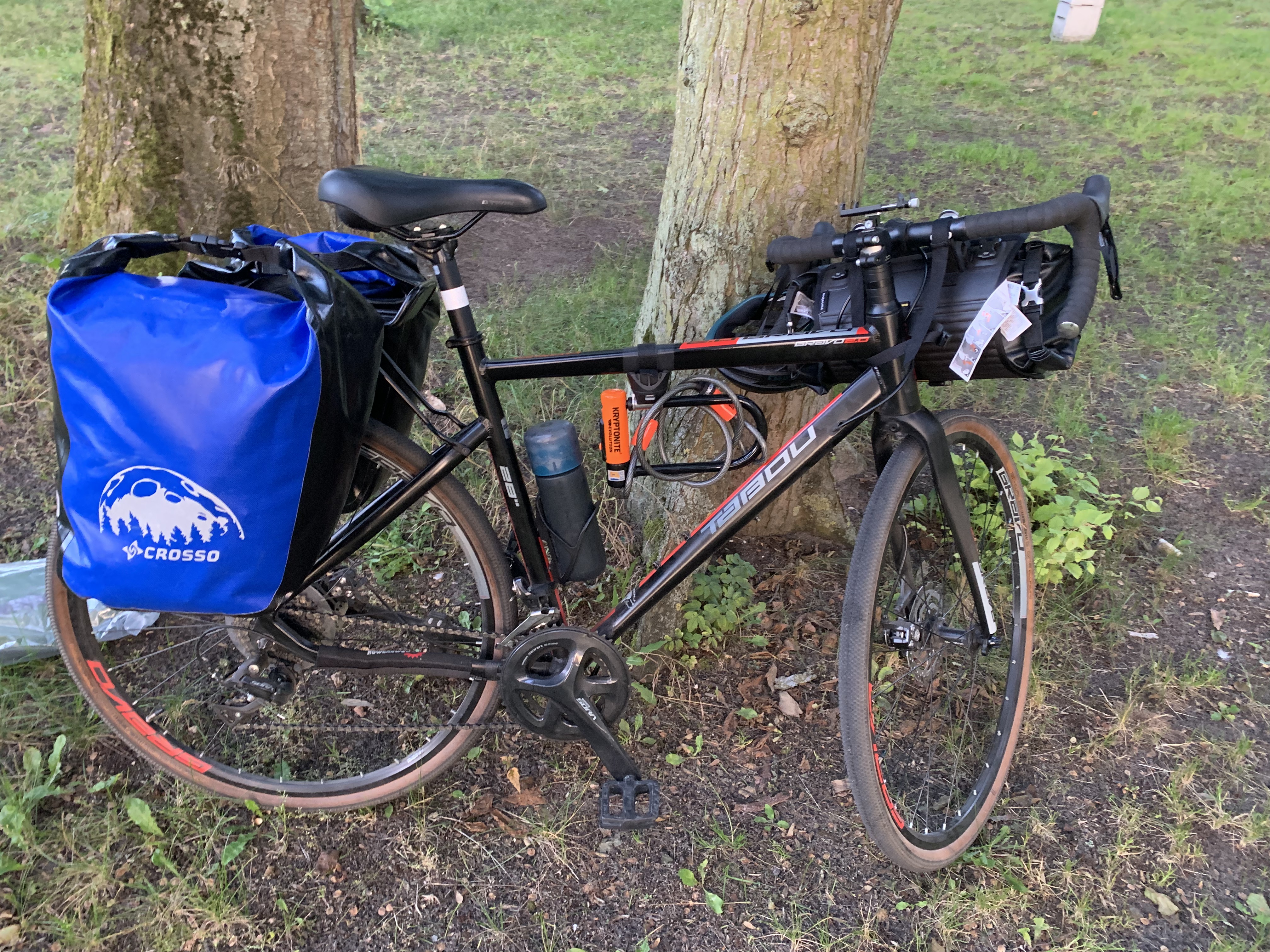
#2 I took a big ol’ U-lock to secure my bike in front of stores and at campsites. It only added weight and took frame space on the bike. Should’ve gone with a much lighter and more flexible chain, or even a wire lock, instead. Riding alongside the coast of Poland never felt unsafe. Quite the opposite. A number of strangers approached me, asked where I was going, and encouraged me to keep going.
#3 Took the wrong tools. A spare rubber tube and a hand pump in case of a puncture are a good start. But I missed the most useful thing - chain lube. Had to stop in Gdynia to buy some, because my bike started squeaking after heavy rains the day before. And to top it off, it fell on me while I was working on it. So, now I have a nice big scar on the side of my leg to remember what to take next time ;)
#4 Using a drop bar prevented nearly all wrist pain. I can’t stress enough how impactful it was for me to stop using risers and bullhorns. Yes, wrists can still hurt after a full day of riding a bike. But at that point, everything hurts because the body is simply exhausted from the amount of stress it has been put through.
#5 Some other miscellaneous things:
- Anti-chafing cream: Felt gross to apply and use; mildly helpful for avoiding pain.
- Padded bike shorts: Cheap and probably the best thing to use for endurance rides. Downsides: while they do prevent rear discomfort, their tightness can cause groin pain; they should be worn without underwear, and some types are tricky to wash.
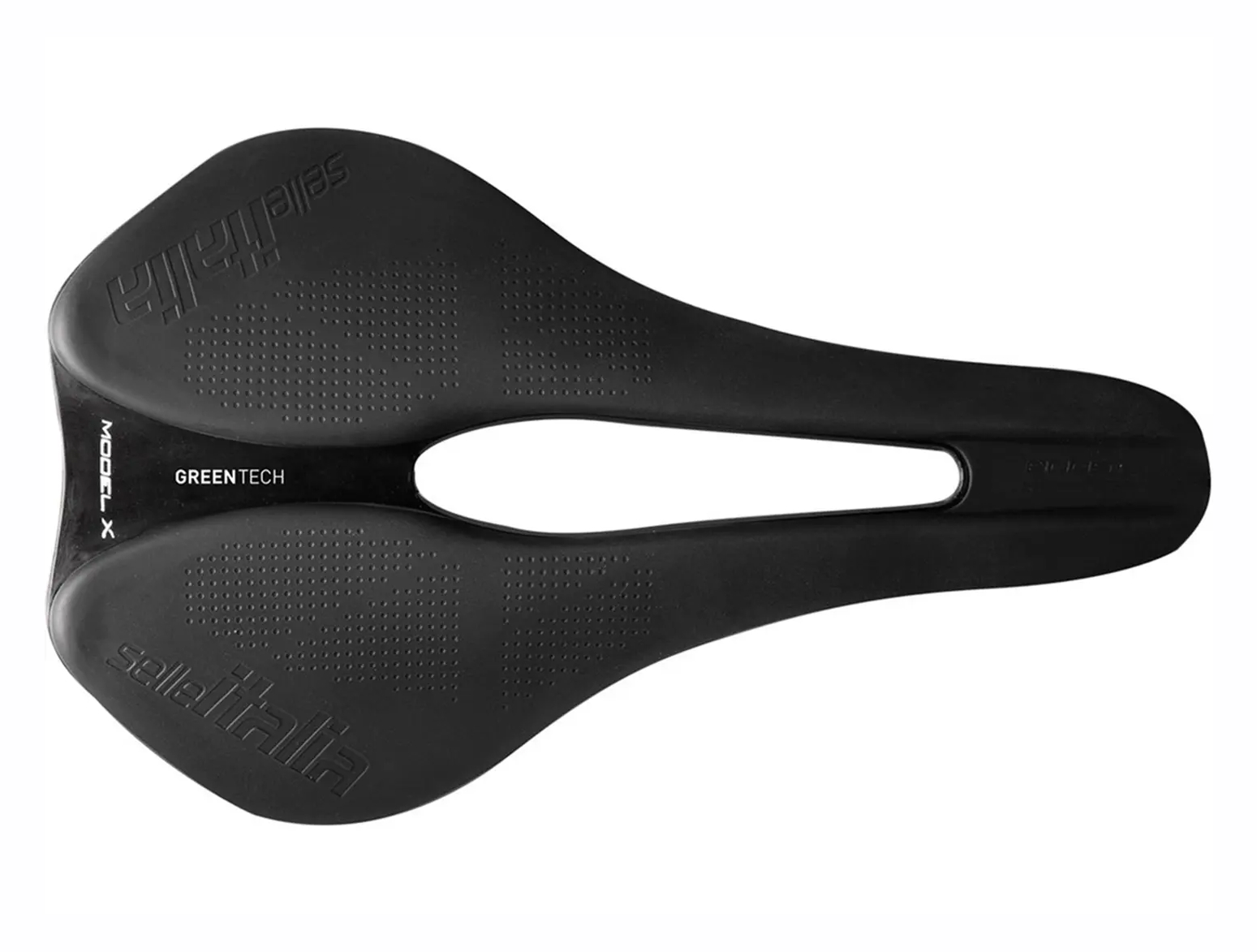
- “Granny” (i.e. city bike) seat: Comfortable for slow long rides but not fast long rides. Makes you slide off and spread your legs to the sides when leaning forward. A parted seat works much better for me (skinny male).
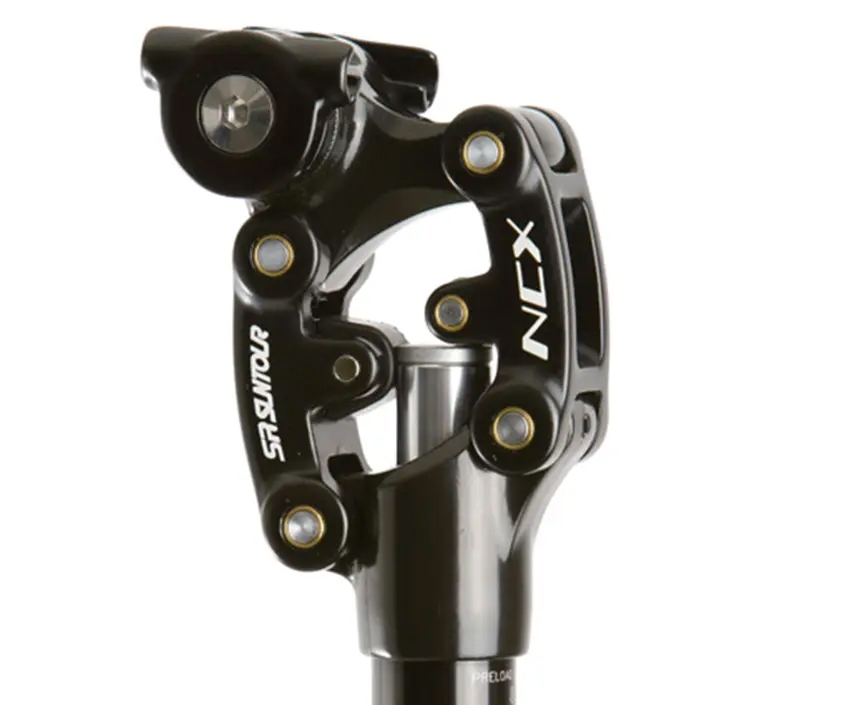
- Amortized seat post: Its effect is similar to a car’s suspension. Great against old, eroded roads with many small bumps, but too bouncy on very poor ones. It adds about 500g to the bike and requires occasional lubrication to prevent squeaking.
- Adjusting the seat’s height, pitch, and angle can make a big difference during long rides. Generally speaking, knees should be slightly bent, the seat should be horizontal to the ground to prevent the rider sliding off, and the distance from the handlebars should be such that the arms are slightly bent as well, without the weight of the body resting on them.
- Clipless pedals are great for long rides, as long as they’re not full of obstacles forcing constant unclipping. The most common ones - Shimano SPDs - are cheap to buy and easy to use. The majority of the cost goes into compatible shoes with SPD-compatible holes. Such pedals improve efficiency by about 1 gear, i.e., I can use a higher gear while expelling the same energy. But use the wrong shoes or use them improperly, and your feet will go numb.
- Having Strava running all the time drains a phone’s battery. Carry at least one 40k mAh battery pack and a cable long enough to keep the phone connected while riding and navigating.
Long rides hurt regardless of preparation or equipment. They’re naturally taxing on the body. But by taking the above remarks into account, they can be coped with.
Who knows, I might do a similar journey sometime in the future. Or choose yet another mode of long-distance transport (running, -> cycling -> …?) ;)